The Village Where Everyone Fell Asleep

The village where everyone fell asleep was a real place called Kalachi in northern Kazakhstan. People walking down the road would suddenly drop to the ground in broad daylight. They were not just tired, but trapped in deep blackouts that lasted for days.
Between 2013 and 2015, over one hundred residents collapsed without warning. Doctors tested the soil, the water, and the air, but found nothing wrong at first. It seemed like a real-world fairy tale curse, yet the cause turned out to be an invisible chemical puzzle sitting right next door.
What Happened in Kalachi?
The weird events began in the spring of 2013. A milkmaid named Lyubov Belkova was sitting at her job when her eyes grew heavy. Her brain felt slow, her legs went weak, and she could not stay awake. When she finally opened her eyes in a hospital bed, four whole days had passed.
Soon, others joined her. Children dropped off to sleep in the middle of class at school. Men driving cars suddenly slumped over the steering wheel. Elderly women fell asleep while chatting on their front porches. The victims could not be shaken awake. When they finally woke up, they suffered bad memory loss, awful headaches, and terrifying visions.
Little kids saw flying horses, snakes in their beds, and monsters eating their hands. Grown men felt like they were drunk or floating through walls. You can read more about strange events like The Strange Signal From Space That Lasted 72 Seconds, but Kalachi felt far more dangerous because it attacked people in their own living rooms.
By early 2014, fear ruled the town. Parents stopped letting their kids go outside to play. Neighbors checked on each other every single morning just to see if anyone had slipped into a coma overnight. Even family pets were not safe. A golden cat named Marquis suddenly ran around his house screaming at the walls before falling into a dead sleep for thirty-six hours.
Why Did the Whole Village Fall Asleep?
Solving this case took years because the clues pointed in ten different directions at once. When doctors first arrived, they thought the villagers were drinking fake alcohol. They ran blood tests on every sick person, but found no trace of bad liquor or poisons. Then they checked the local tap water, the food supply, and the nearby river. Everything came back clean.
Some experts guessed it was mass hysteria. In history, groups of people under bad stress have sometimes shared strange physical problems. It is a known human reaction, much like other unsolved human riddles documented in medical science and Lists of problems around the world. But mass hysteria does not make an old cat go crazy and fall asleep for a day and a half. The animals proved that a physical poison had to be loose in the environment.
Next came the theory about the old Soviet ghost town nearby. Just two miles away sits Krasnogorsk. Decades ago, it was a secret mining town run directly by Moscow. Thousands of miners worked underground there to dig up rich uranium ore for Soviet weapons and power stations. The mine closed down in the 1990s, and Krasnogorsk became an empty shell of crumbling concrete buildings.
Scientists rushed into Kalachi with radiation meters. They held the clicking devices over the ground, near water pipes, and against the walls of homes. The radiation levels were slightly elevated in spots, but nowhere near high enough to knock people out cold. If radiation had caused the sickness, blood tests would have shown severe cell damage. The villagers did not have radiation poisoning. So what was knocking them out?
The Clues Hidden in the Earth and the Weather
To crack this case, scientists had to stop looking at what was present in huge amounts and look at what was missing. They checked the air again and again during normal sunny days, and it looked fine. That was the trick. The poison did not stay in the air all the time. It only showed up when the weather acted in a very specific way.
You can discover more mysterious events and riddles on our main page, but the science here came down to weather patterns and underground gases. Deep down in the abandoned uranium mines, shafts were flooded with water. Over many years, the decaying wood beams and carbon rocks mixed with the water to create dangerous gases: carbon monoxide and hydrocarbon vapors.
Carbon monoxide has no smell, no color, and no taste. It is an invisible killer. When you breathe it in, the gas grabs onto your red blood cells much faster than oxygen can. It pushes oxygen out of your blood, starving your brain. If you get a lot of it fast, you die. But if you get just enough to starve the brain slowly over many hours, you pass out, hallucinate, and fall into a deep stupor.
The empty mines acted like a giant pair of lungs. When the weather outside was cold and still, or when atmospheric pressure dropped, the heavy gases underground were pushed up through old cracks in the earth. The gas drifted across the two miles of grassland and rolled into Kalachi. Because carbon monoxide is slightly lighter than air, but was mixed with heavier hydrocarbons, it pooled close to the ground on cold, windless nights.
Whenever the wind blew hard, the gas scattered into the sky and nobody got sick. But whenever the wind died down and the air pressure fell, the gas crept into homes and settled into basements. People went to sleep at night or sat down for lunch, and their brains slowly ran out of oxygen. That explained why tests run days later showed nothing. The gas had already blown away with the next breeze.
How the Government Solved the Case
In the summer of 2015, the government of Kazakhstan shared the official test results. Teams had tested over twenty thousand air and soil samples. They tracked carbon monoxide levels during calm weather and finally caught the spike red-handed. The levels of carbon monoxide in Kalachi homes were more than ten times higher than normal safety limits during the sleep outbreaks.
At the same time, oxygen levels in the air dipped. A human brain needs a steady flow of rich oxygen to keep you awake, think clearly, and move your muscles. The mixture of low oxygen and high carbon monoxide acted like an anesthetic gas in a hospital surgery room. It put people under without damaging their lungs or leaving obvious burns.
Even with the mystery solved, the problem could not be fixed with simple tools. You cannot easily patch miles of cracked earth over old, flooded mines. The government decided the only safe choice was to move everyone away. They offered new homes, jobs, and cash grants to the residents in safer cities across the country.
Over five hundred people packed their bags and left their hometown forever. Bulldozers began tearing down empty houses to prevent anyone from moving back into the poison zone. By late 2016, the village was mostly quiet, left behind just like the ghost town that poisoned it.
What Kalachi Teaches Us About Modern Mysteries
It is easy to blame ghosts, curses, or aliens when whole towns act strangely. We look for giant answers to giant fears. If you look at stories like The Strange Signal From Space That Lasted 72 Seconds, people often jump to cosmic theories before checking every piece of ground equipment first. Human brains love fantasy when reality is hard to see.
Kalachi reminds us that nature and human history leave behind very quiet traps. A forgotten mine from fifty years ago can wait silently underground until the weather turns just right. Then it strikes without making a single sound. The victims did not have bad luck with magic, they had bad luck with geology and weather.
Are all the questions answered? Most are, but a few lingering doubts remain among some scientists. Some doctors pointed out that patients did not have the bright red skin usually seen in fatal carbon monoxide cases. Others asked why two people living in the exact same room would not always fall asleep together. One person would drop for three days, while their spouse stayed completely awake and made tea.
Differences in body size, lung capacity, and heart rates probably explain those odd gaps. A small child or a person with poor breathing will succumb to low oxygen much faster than a tall, healthy adult. Explore our other strange real world accounts to see how often small physical details turn out to be the hidden key.
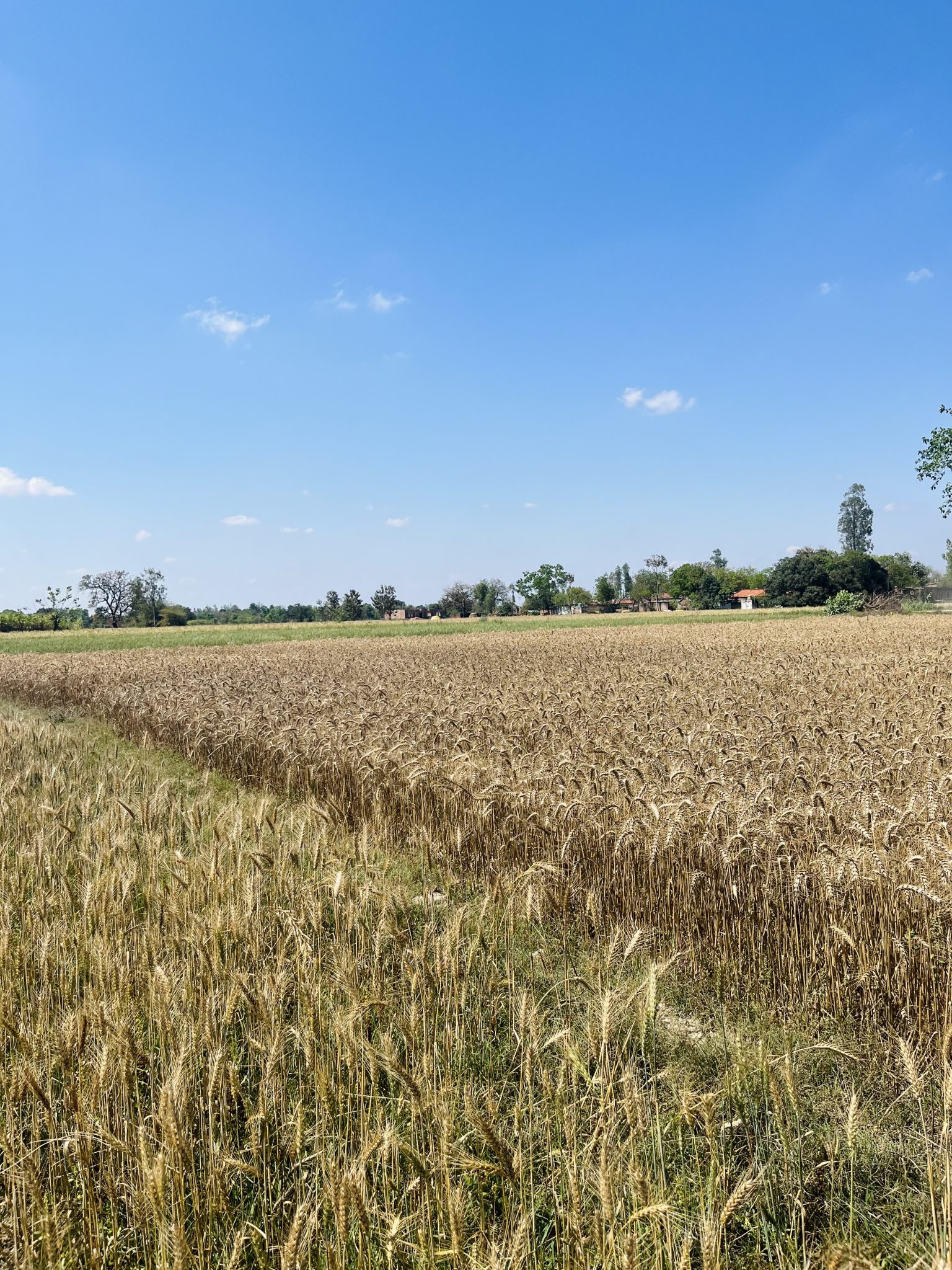
Today, Kalachi sits empty under the wide sky. The wind blows across the grass, pushing away the underground breath of the old mines. It stands as a reminder that the world holds plenty of real puzzles, and the solutions are often hidden right in the air we breathe.
If you ever find yourself walking through an abandoned town on a dead-quiet afternoon, pay attention to the breeze. Sometimes the scariest things are the ones you cannot see, smell, or hear until you close your eyes.
CONTENT:


Comments
Post a Comment